
10 Knots
The 10 Knots are patterns for working together. Each knot joins practice to principle: how we enter the studio, organize information, communicate, care for one another, and bring work to a close. They are inherited but not fixed. Each participant receives the pattern, inhabits it, and helps determine how it should be tied again.
This is inspired by Tom Sachs’ 10 Bullets, and Donna Haraway’s knots from Staying with the Trouble. Finch, Cardinal, and Bluebird came up with the set in June 2017, and painted them on the garden walls in August 2019.
0. Overhand Knot
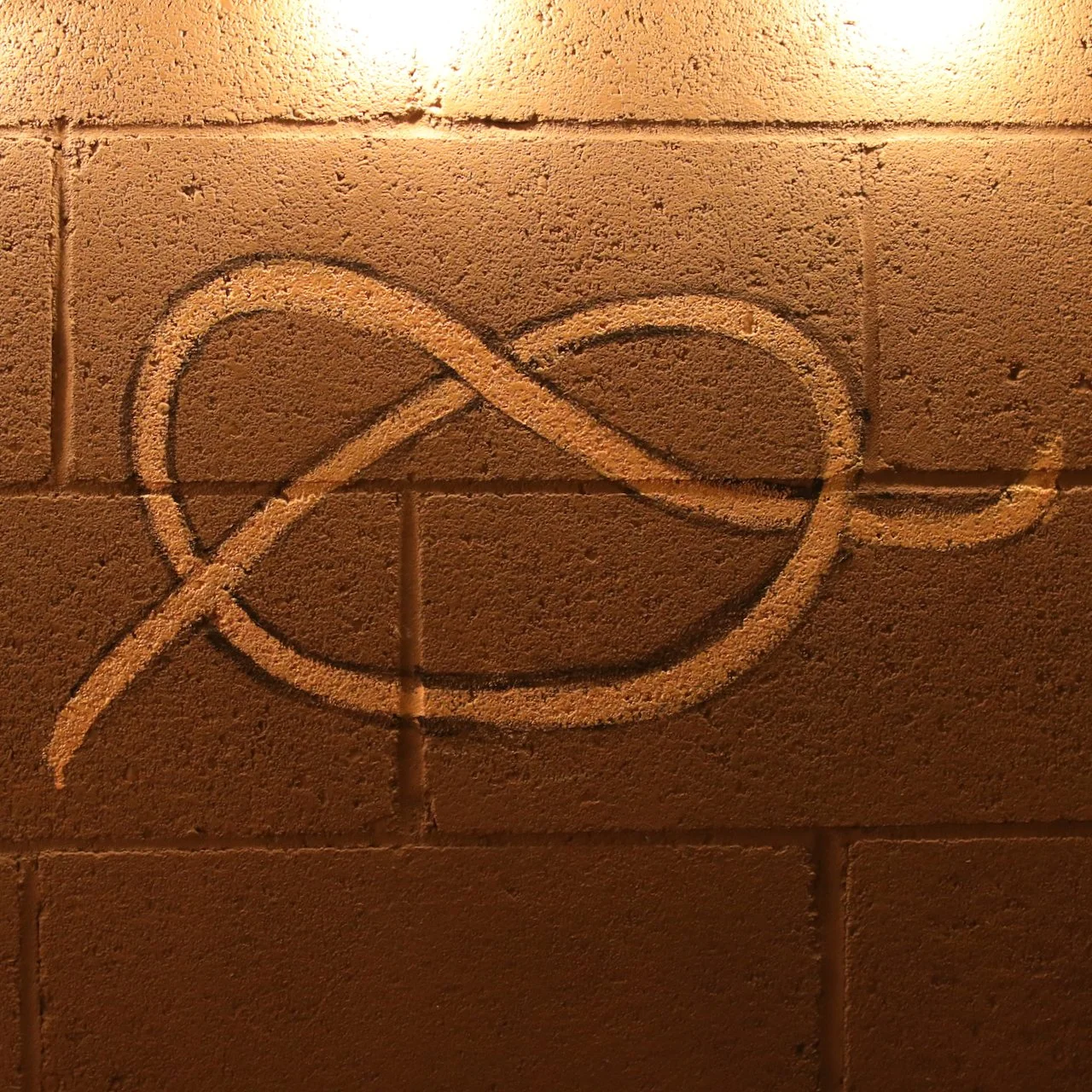
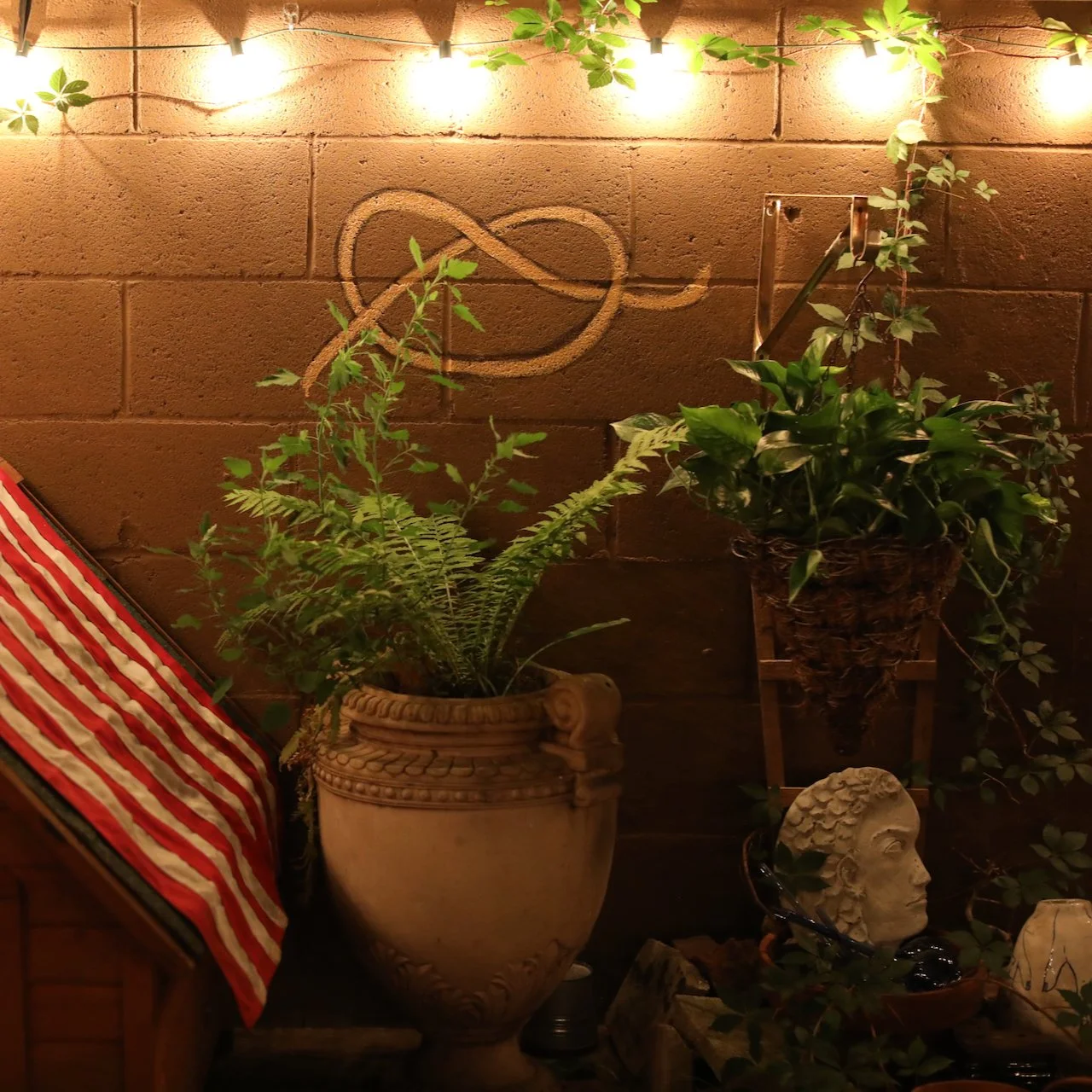
The Overhand Knot represents the Space Within. Before beginning, pause and arrive in your body. Take three Ocean Breaths, then stretch, fold, or make whatever movement helps you become present to the work.
1. Square Knot
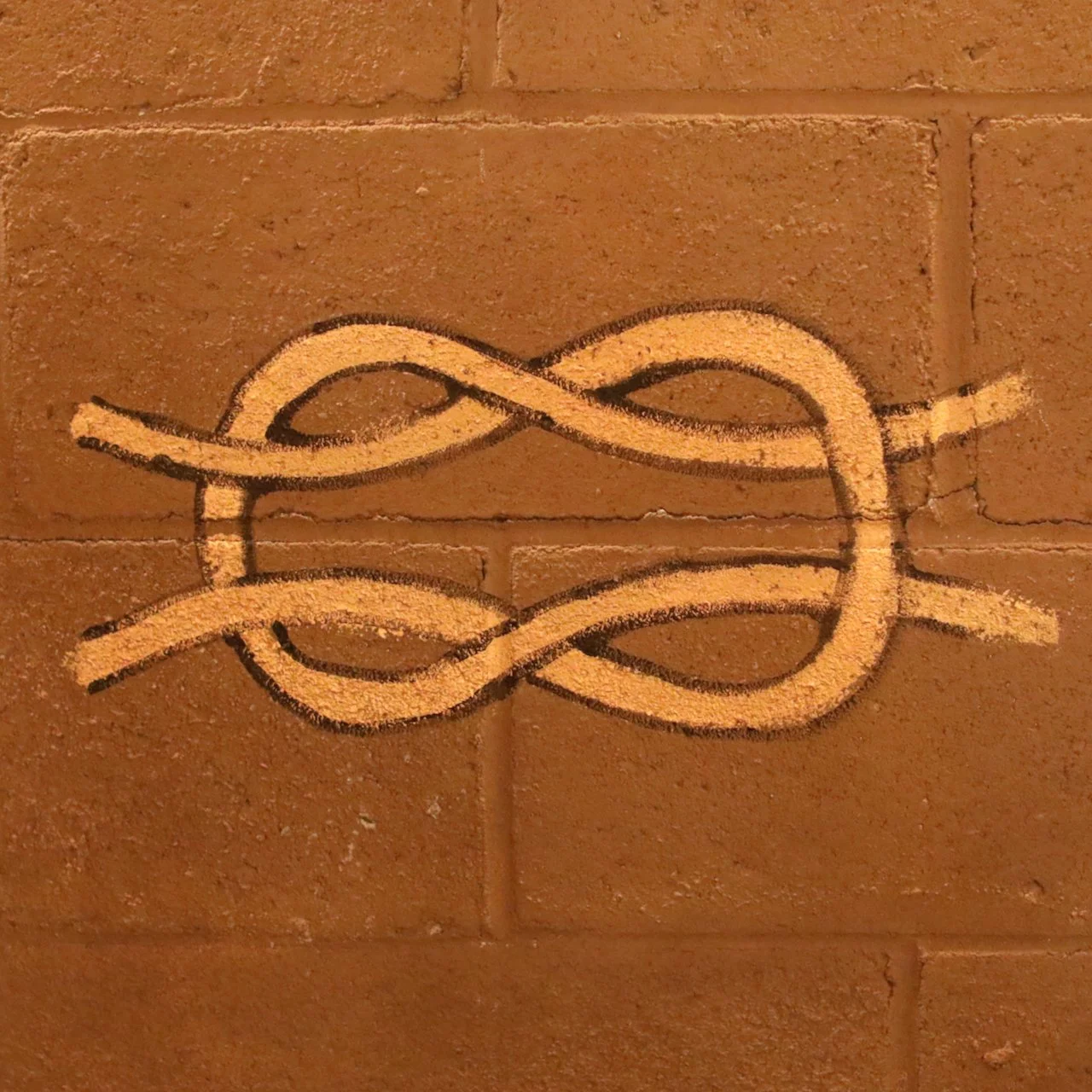
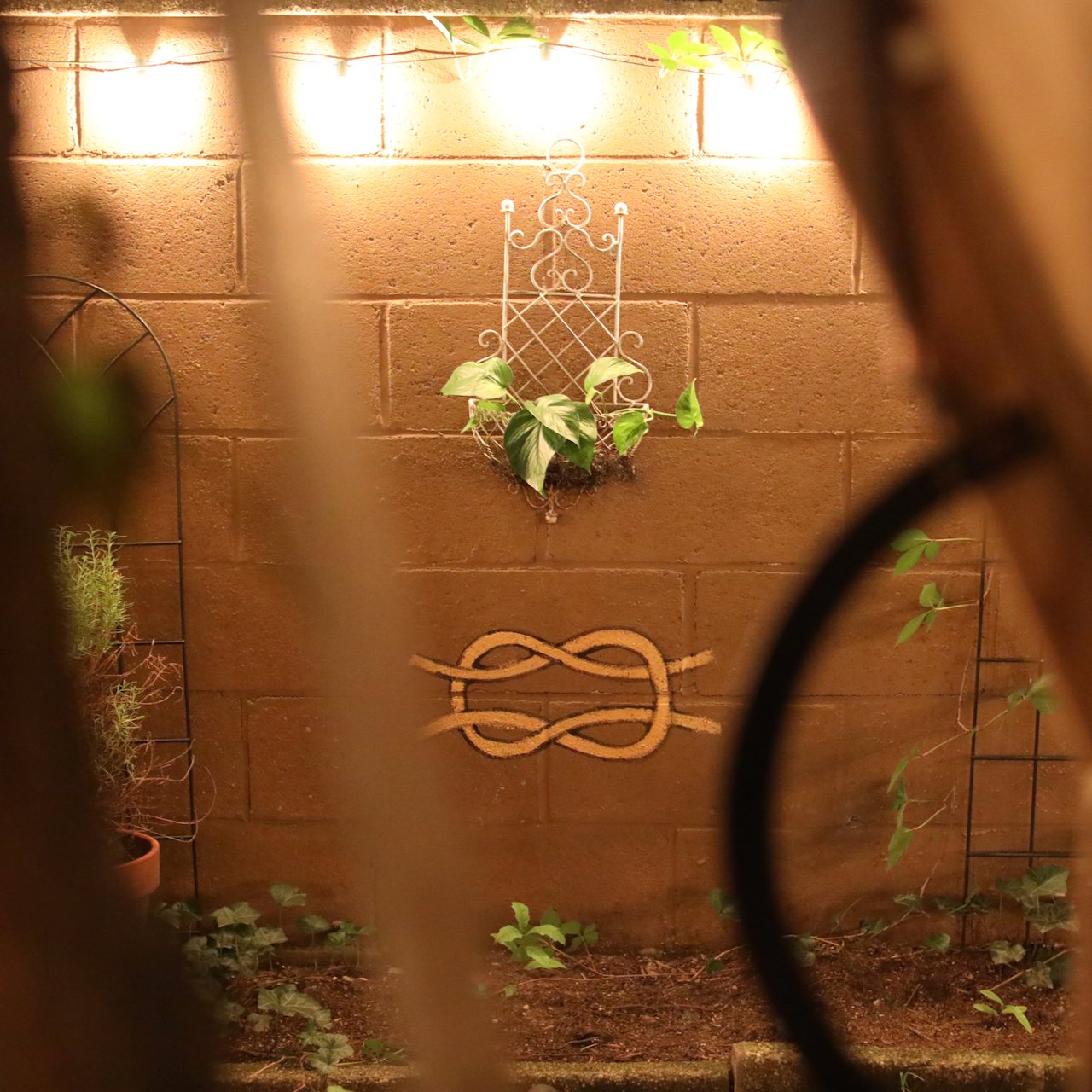
The Square Knot represents the Magic Circle. When we enter a shared working space, we consent to its intentions, agreements, and rituals. Protect the attention of others, contribute to the spirit of the space, and represent the team with care.
2. Bowline Knot
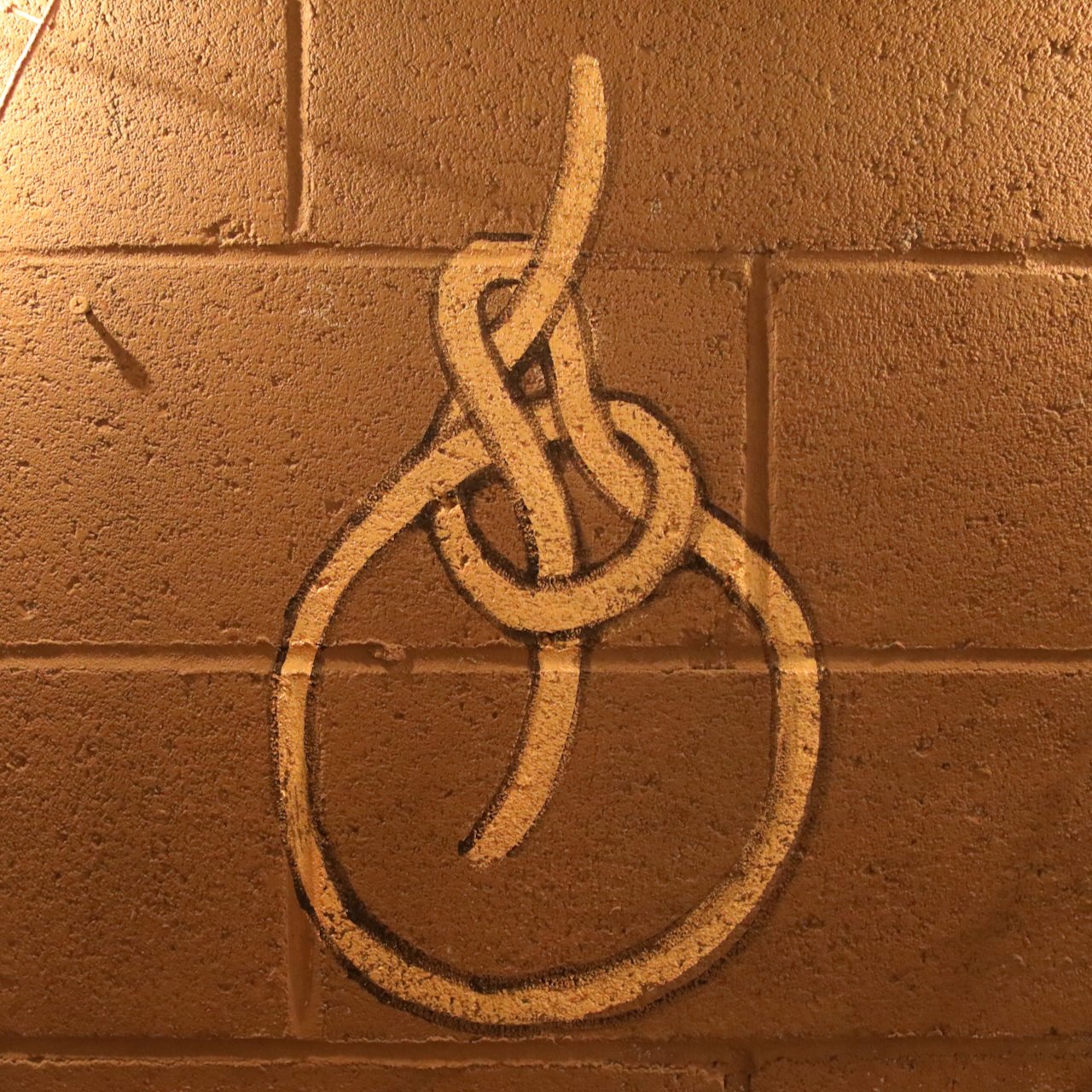
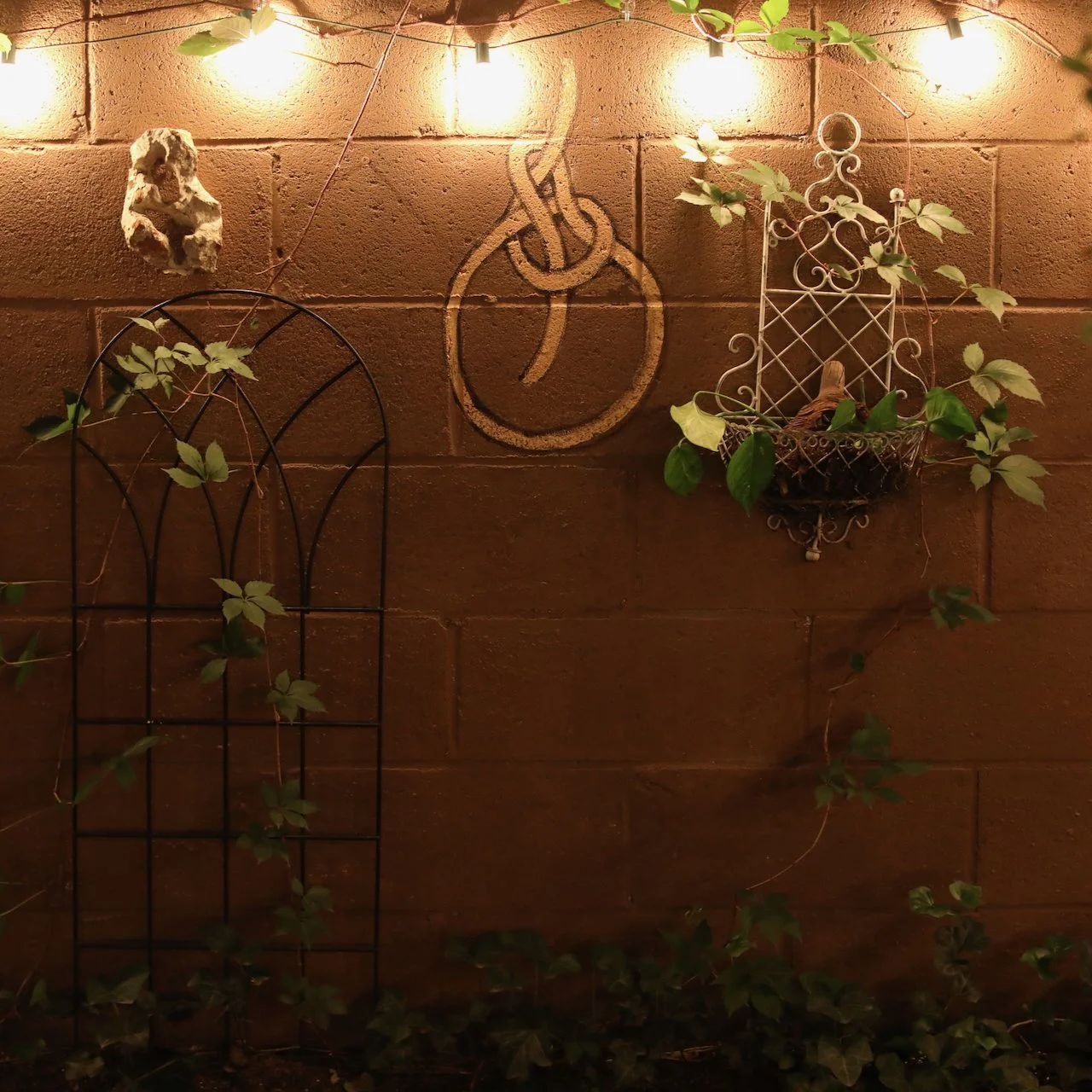
The Bowline Knot represents Cascading Style. Receive the patterns established by earlier work and understand why they exist before changing them. Connect past, present, and future while leaving the pattern legible enough for the next person to continue.
3. Sheet Bend
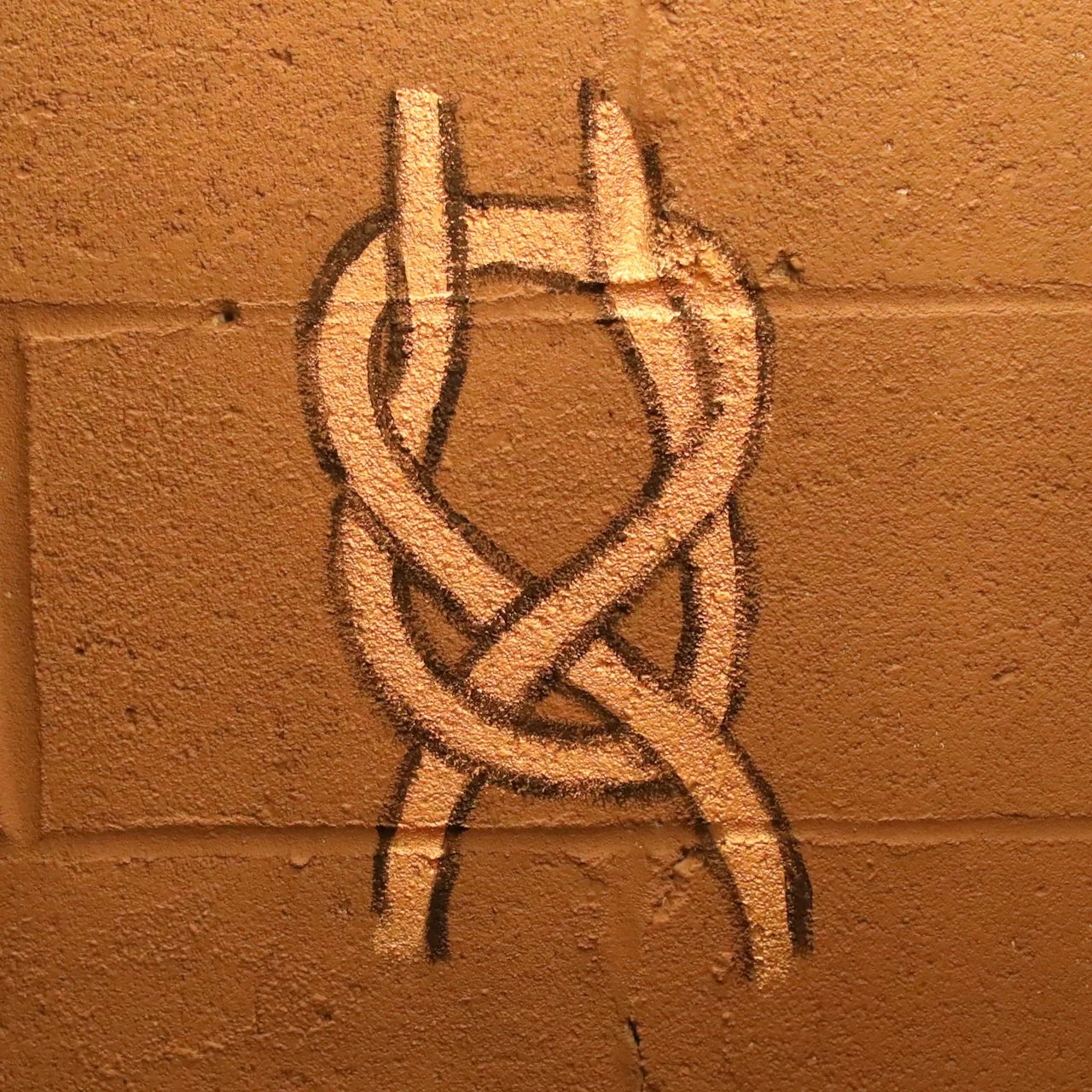
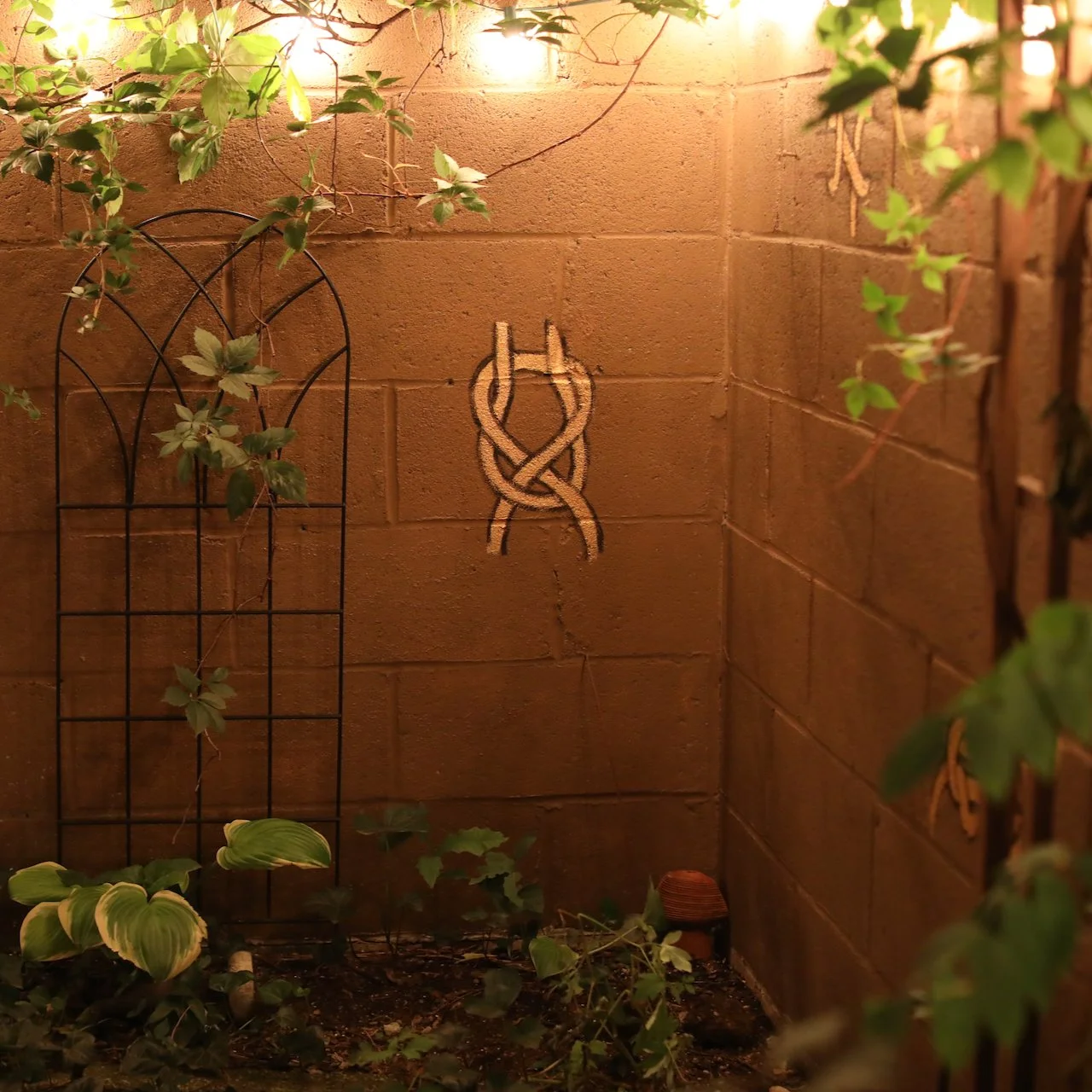
The Sheet Bend represents the Information Index. Our archive is our temple, and the Index is its map. Give each project a place and preserve both its living record — notes, conversations, experiments, and uncertainties — and its formal, edited account.
4. Clove Hitch
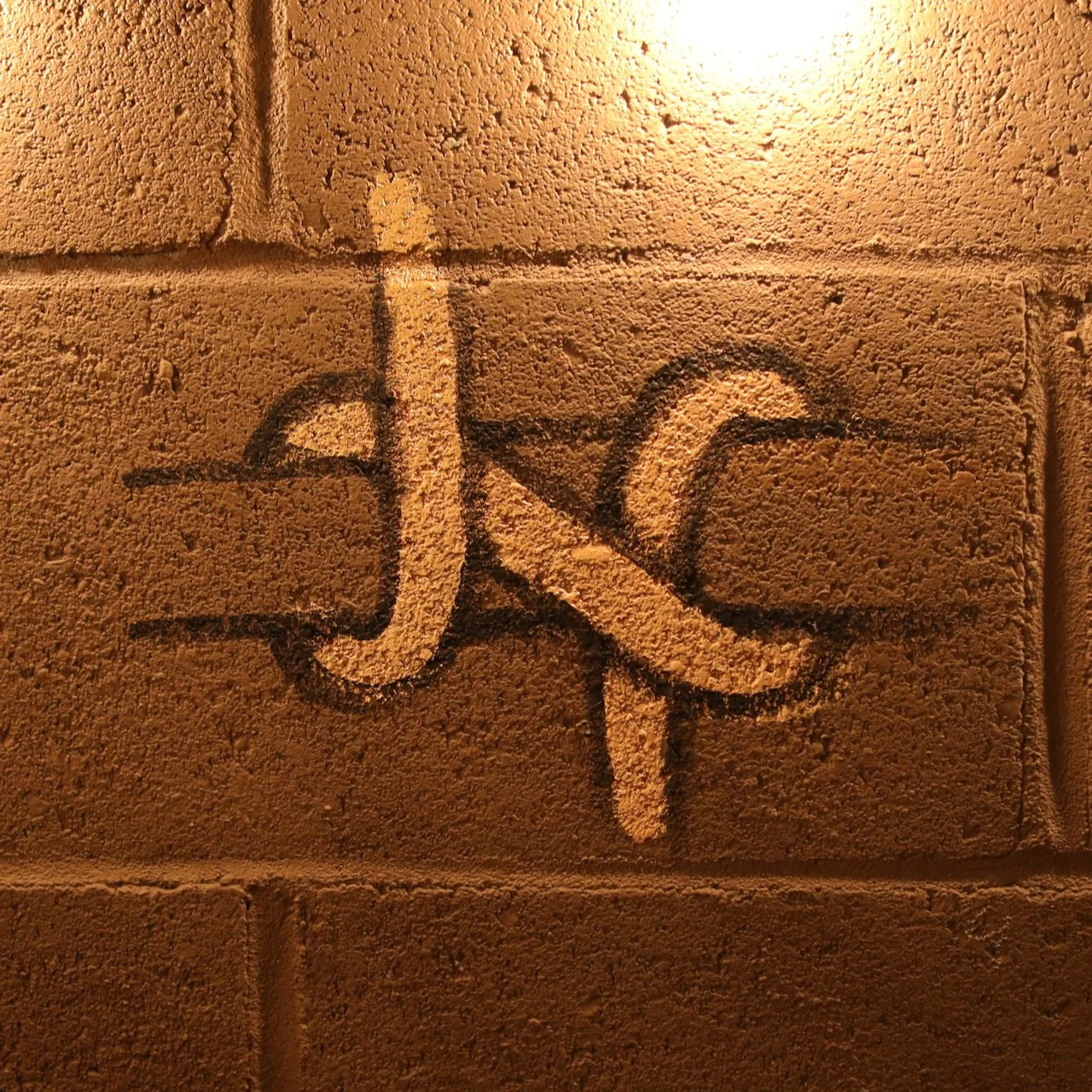
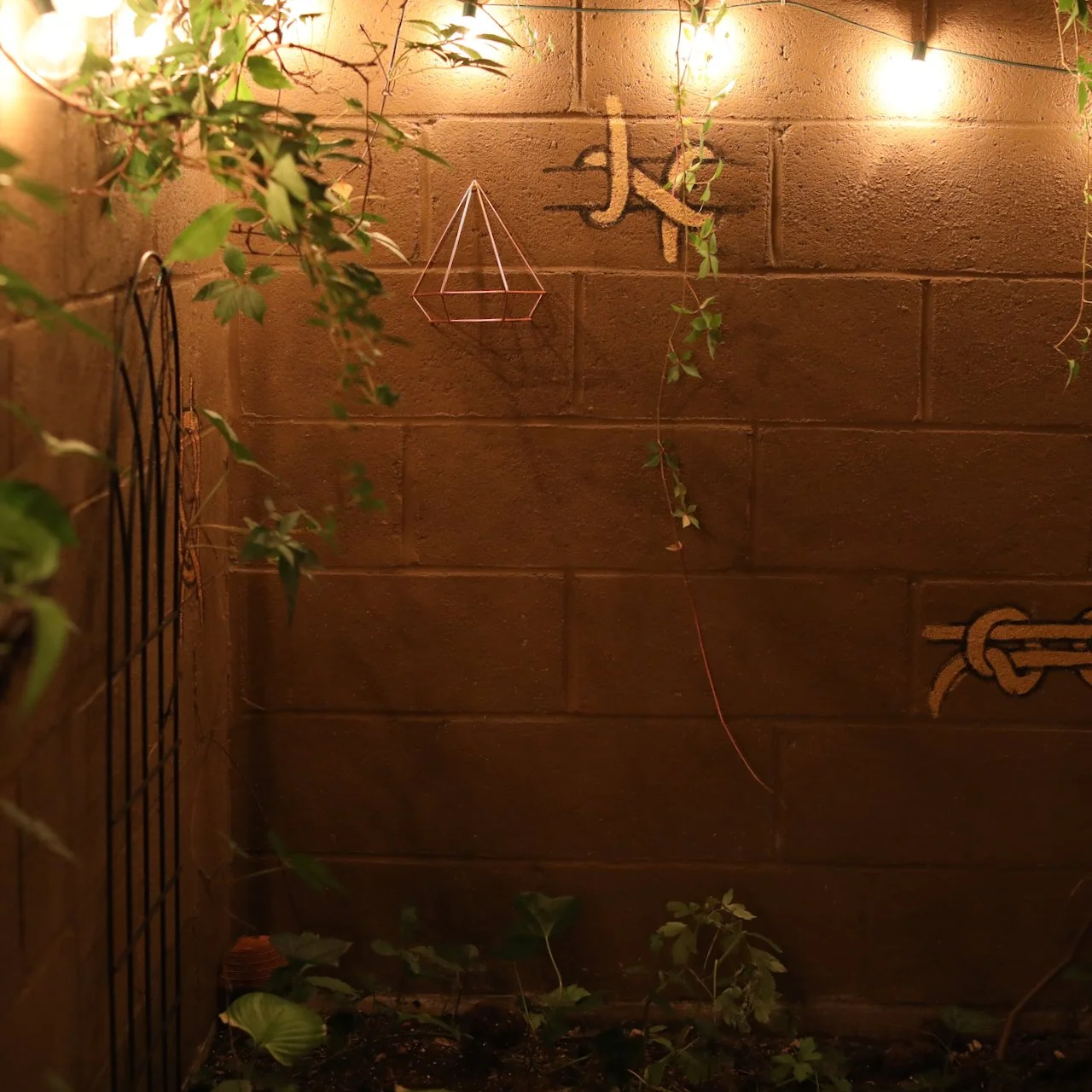
The Clove Hitch represents Annotating Everything. Record materials, methods, sources, decisions, and relationships while they remain knowable. Comment the code, add aura to the papers, and add metadata to the machine: descriptions help make worlds.
5. Fishing Knot
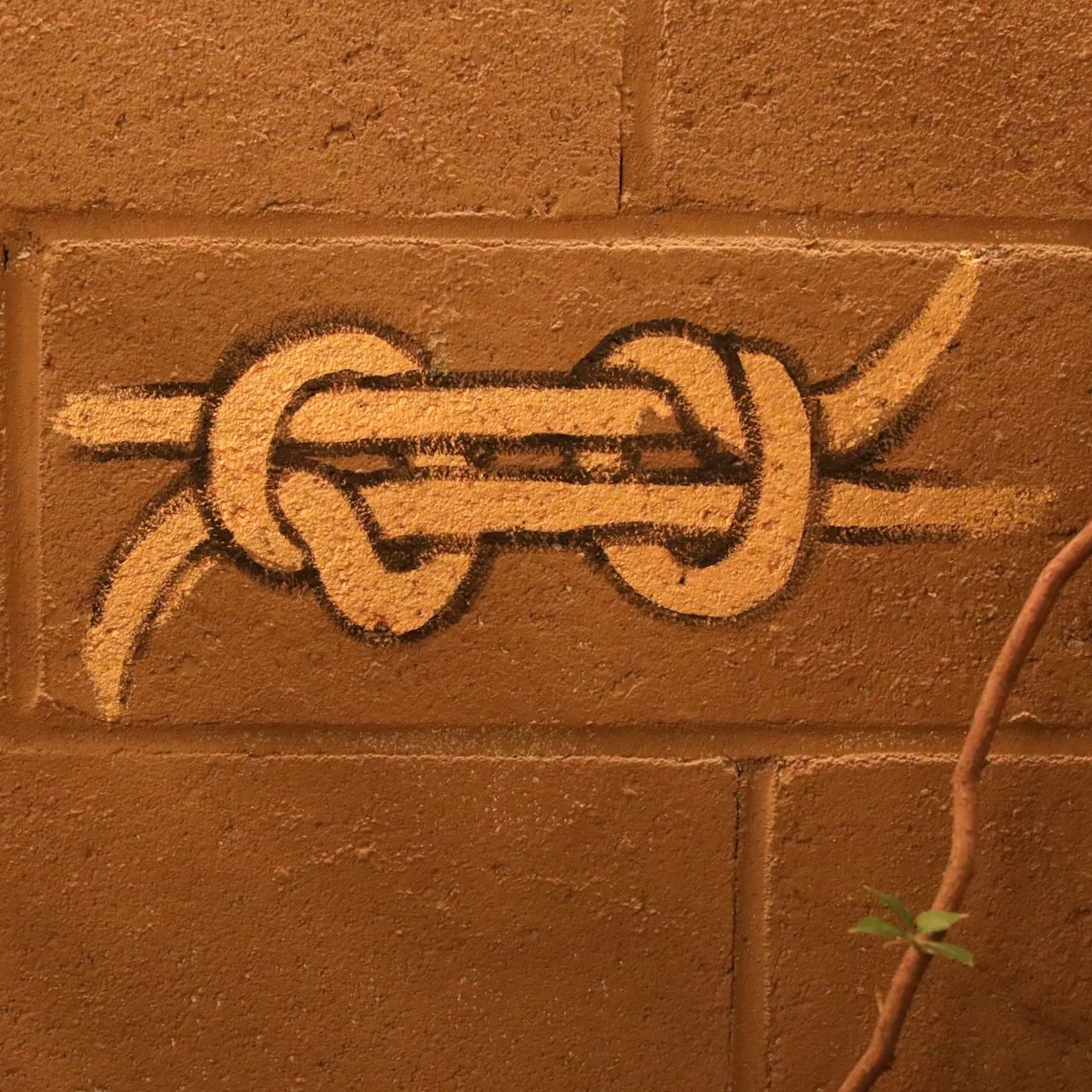
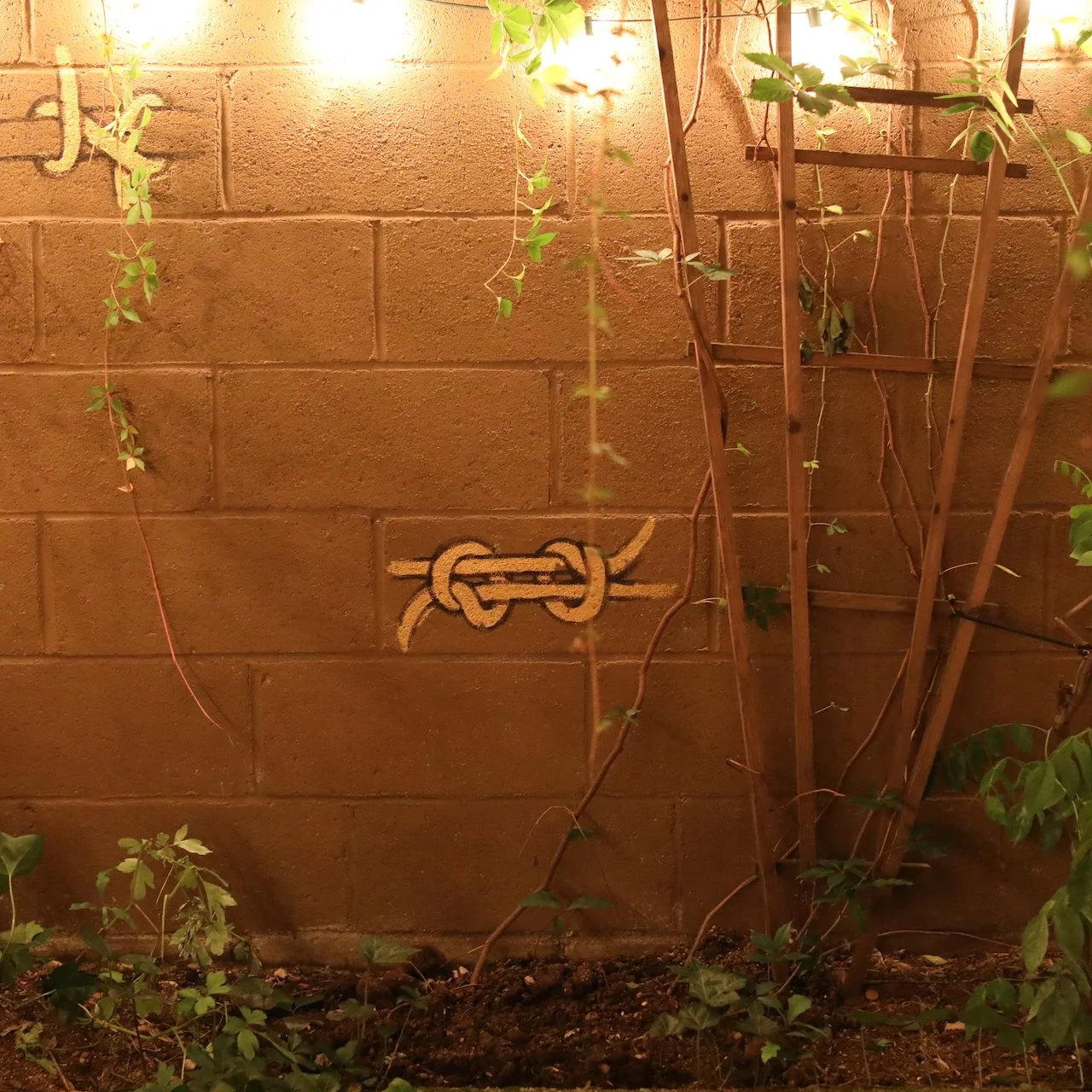
The Fishing Knot represents Effective Outreach. Message sent does not mean message received. Address every open point, confirm what has been understood, and clearly signal whether you are awaiting a response or closing the exchange.
6. Taut-Line Hitch
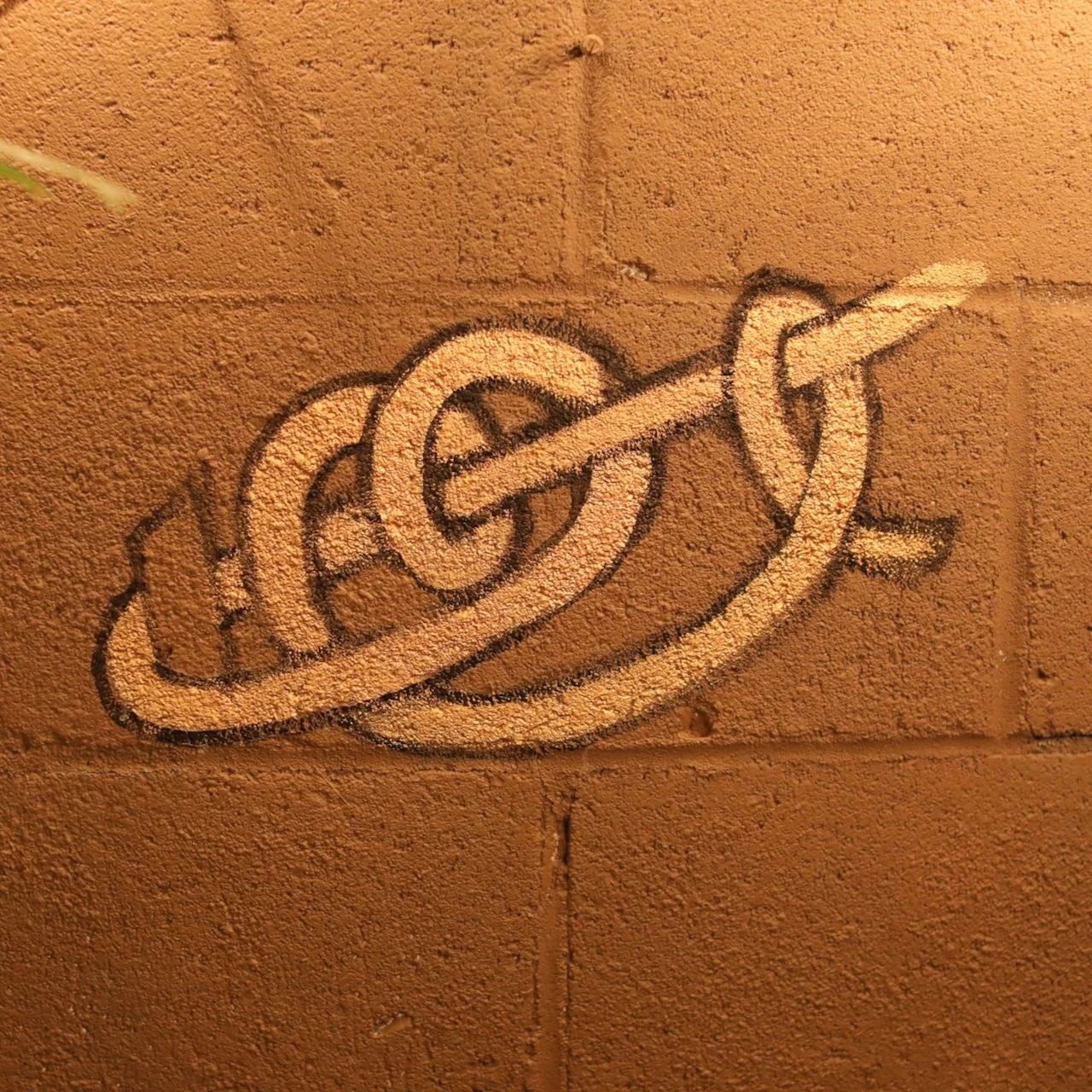
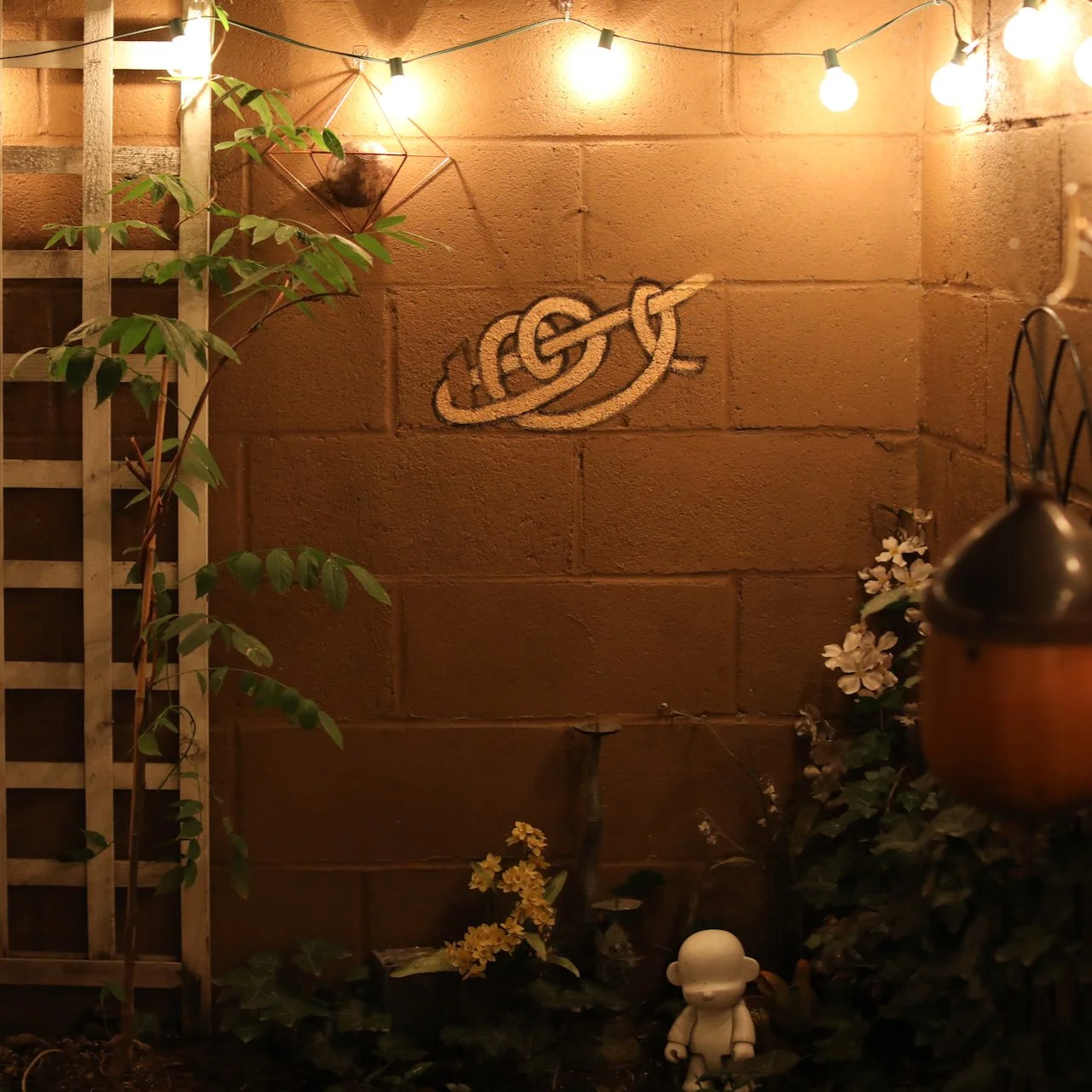
The Taut-Line Hitch represents Having Empathy. Practice response-ability: become capable of noticing and responding to the needs of yourself, your collaborators, your materials, and the living world. Try your level best to do no harm, and repair what you can when harm occurs.
7. Running Knot
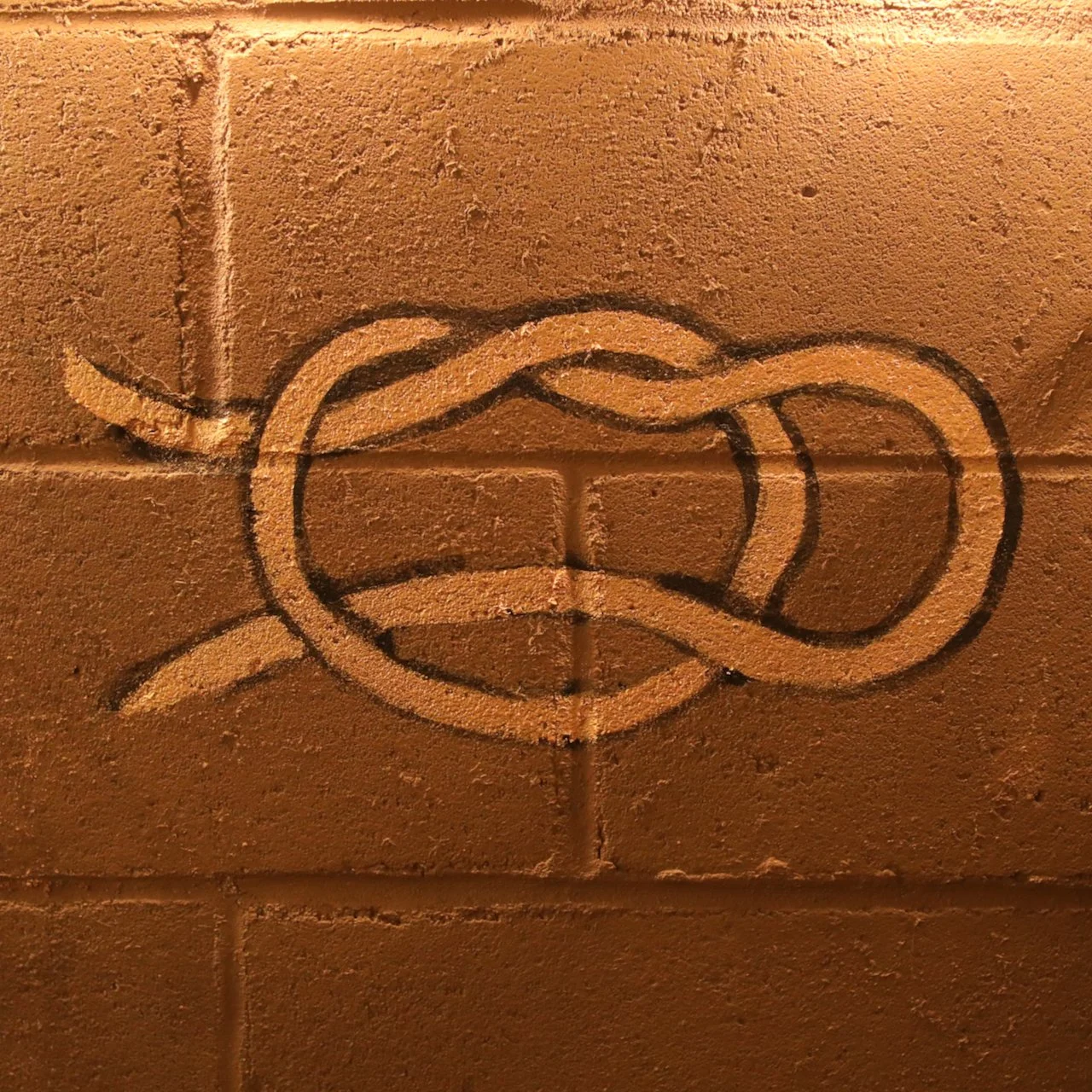
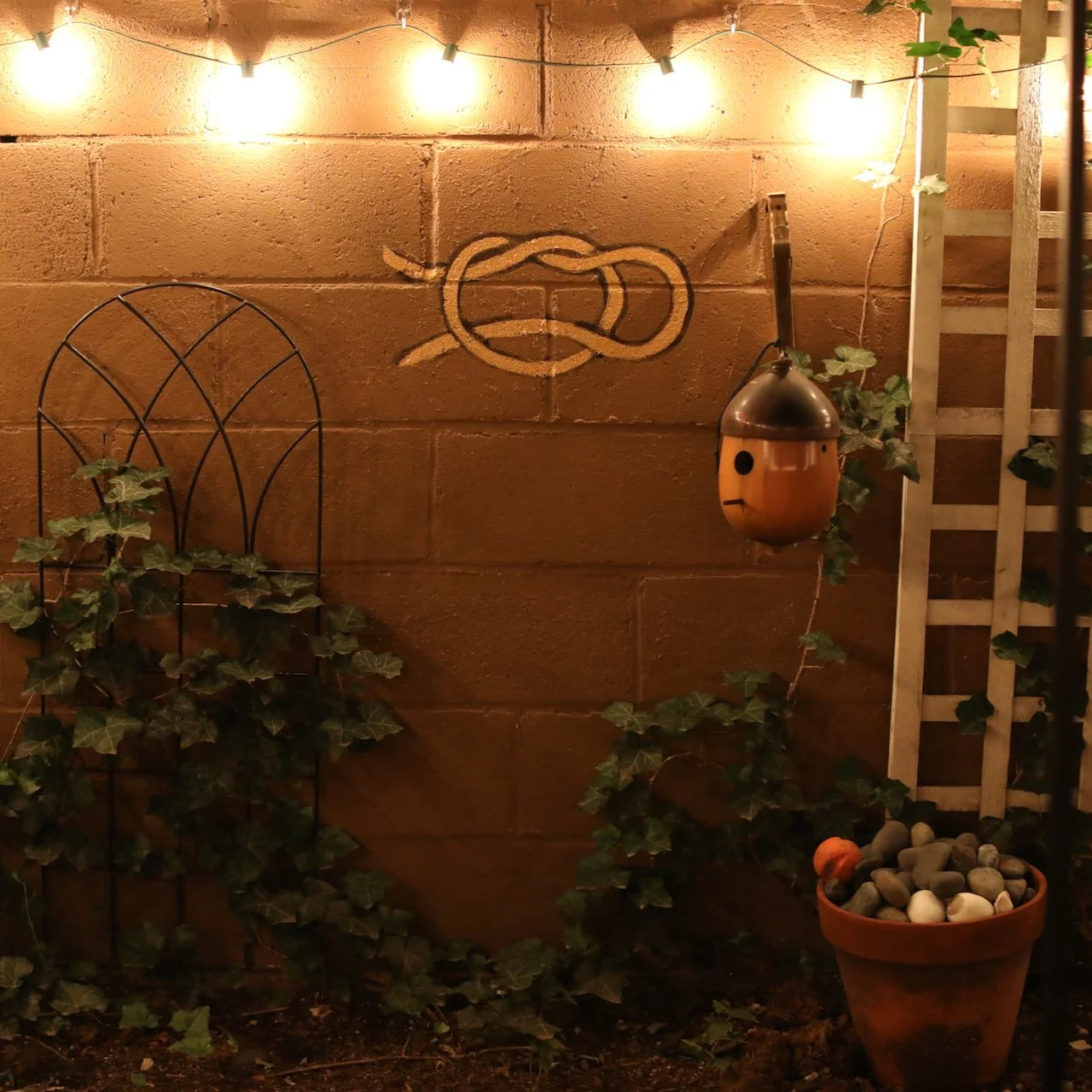
The Running Knot represents Having Patience. Work carefully without demanding immediate resolution or visible progress. Know your strengths and limits, make room for uncertainty and dormancy, and help create the conditions in which people and projects can develop at different speeds.
8. Figure 8 Knot
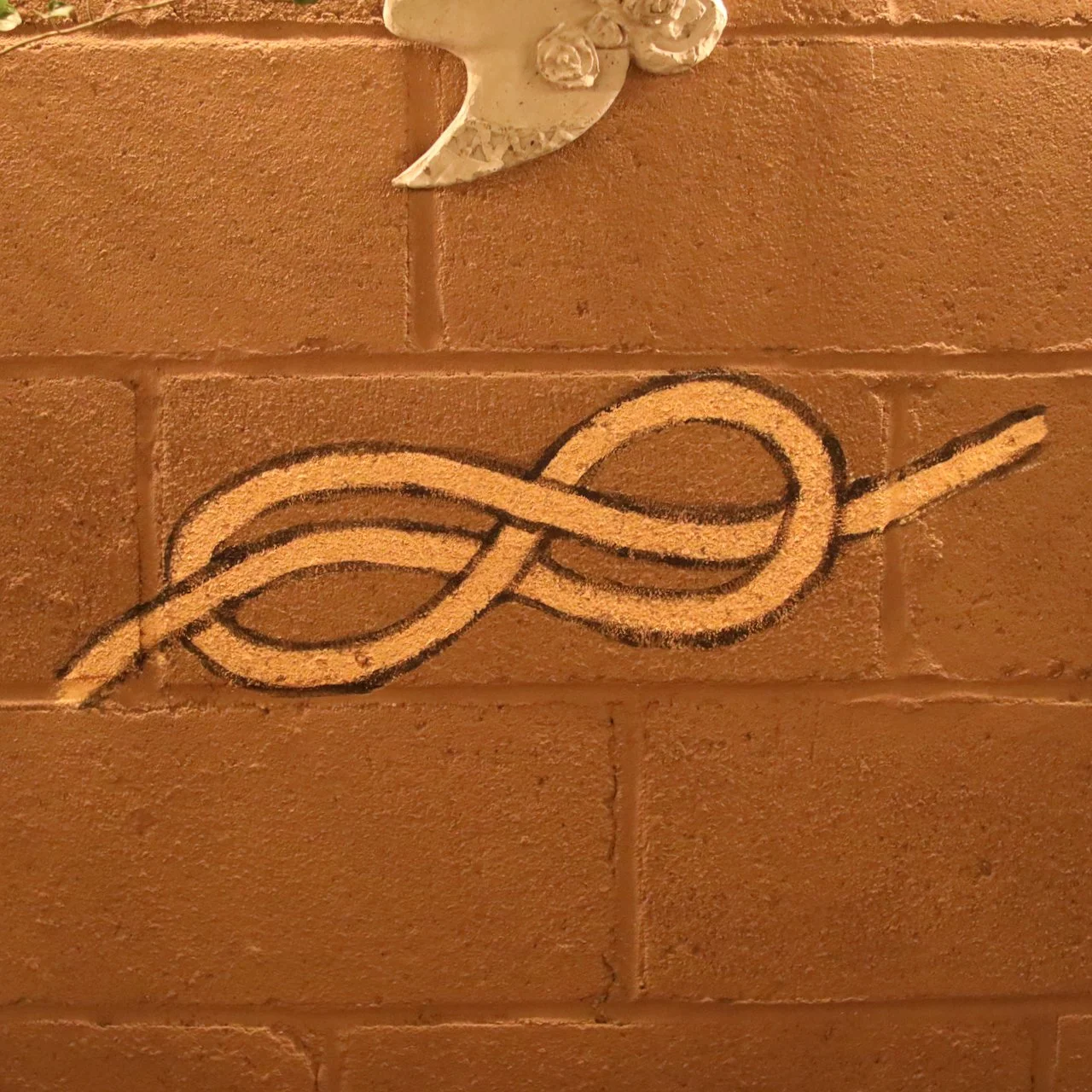
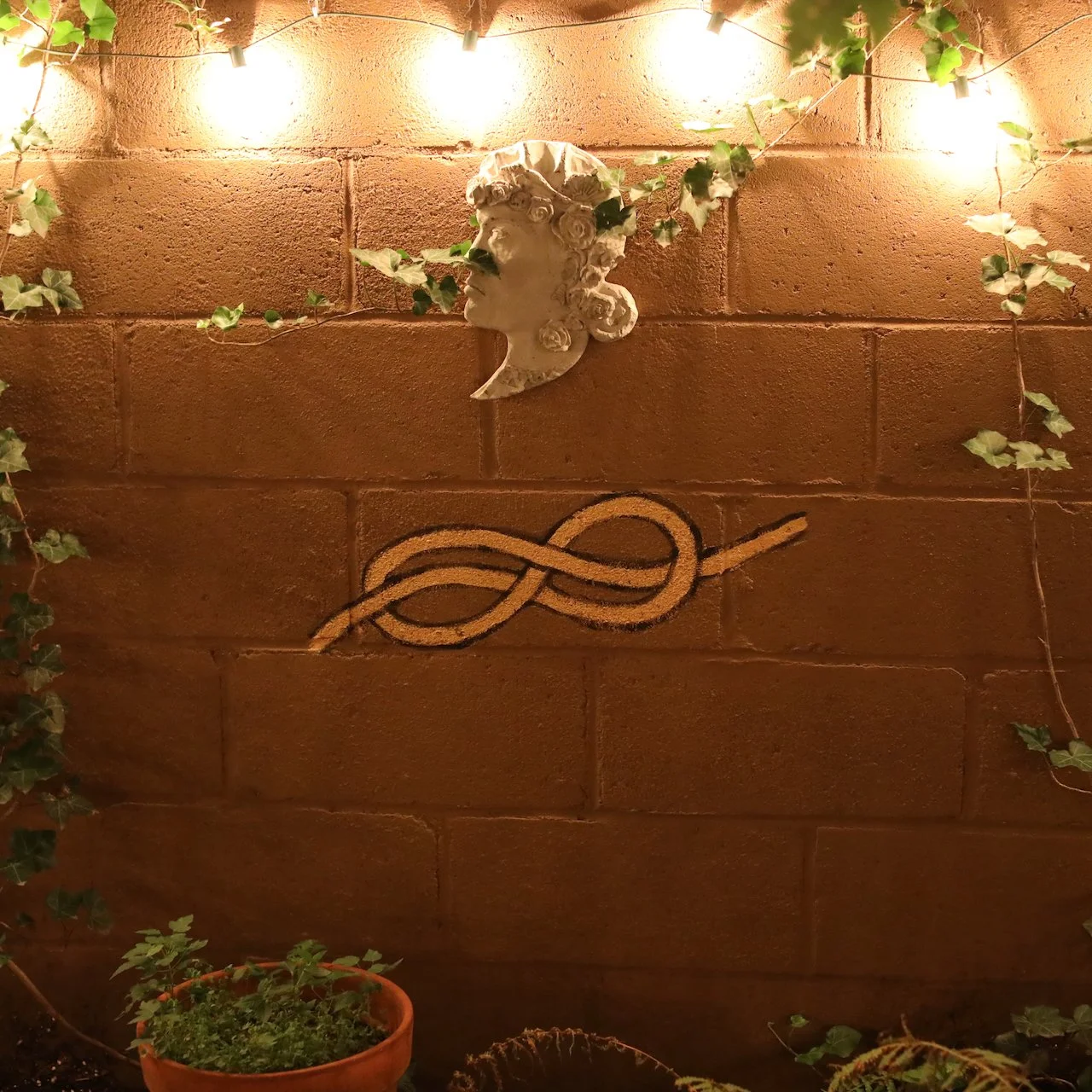
The Figure 8 Knot represents Having Gratitude. Nothing makes itself. Recognize the people, places, histories, organisms, materials, and technologies that make the work possible, and use these relationships with care and generosity.
9. Lariat Loop
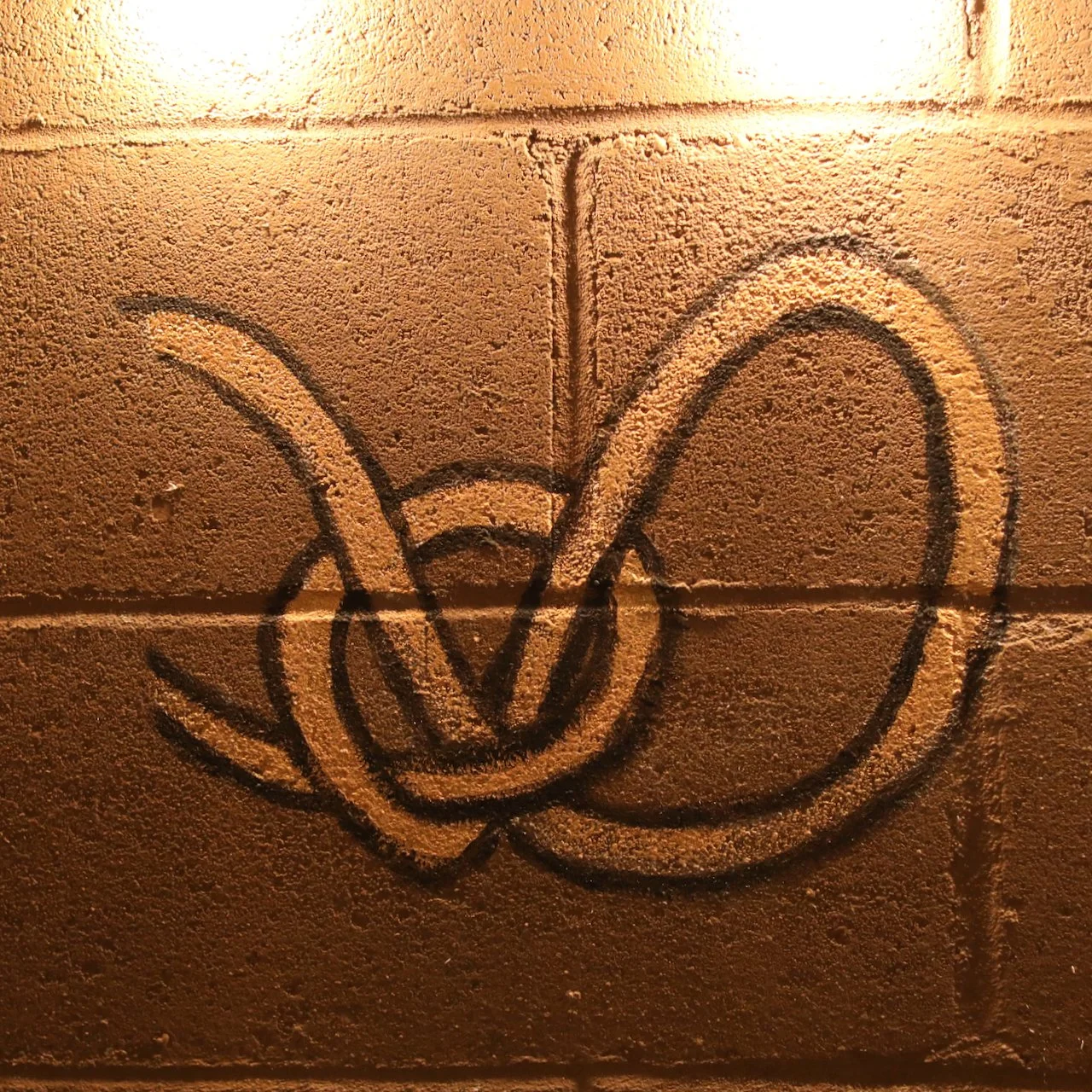
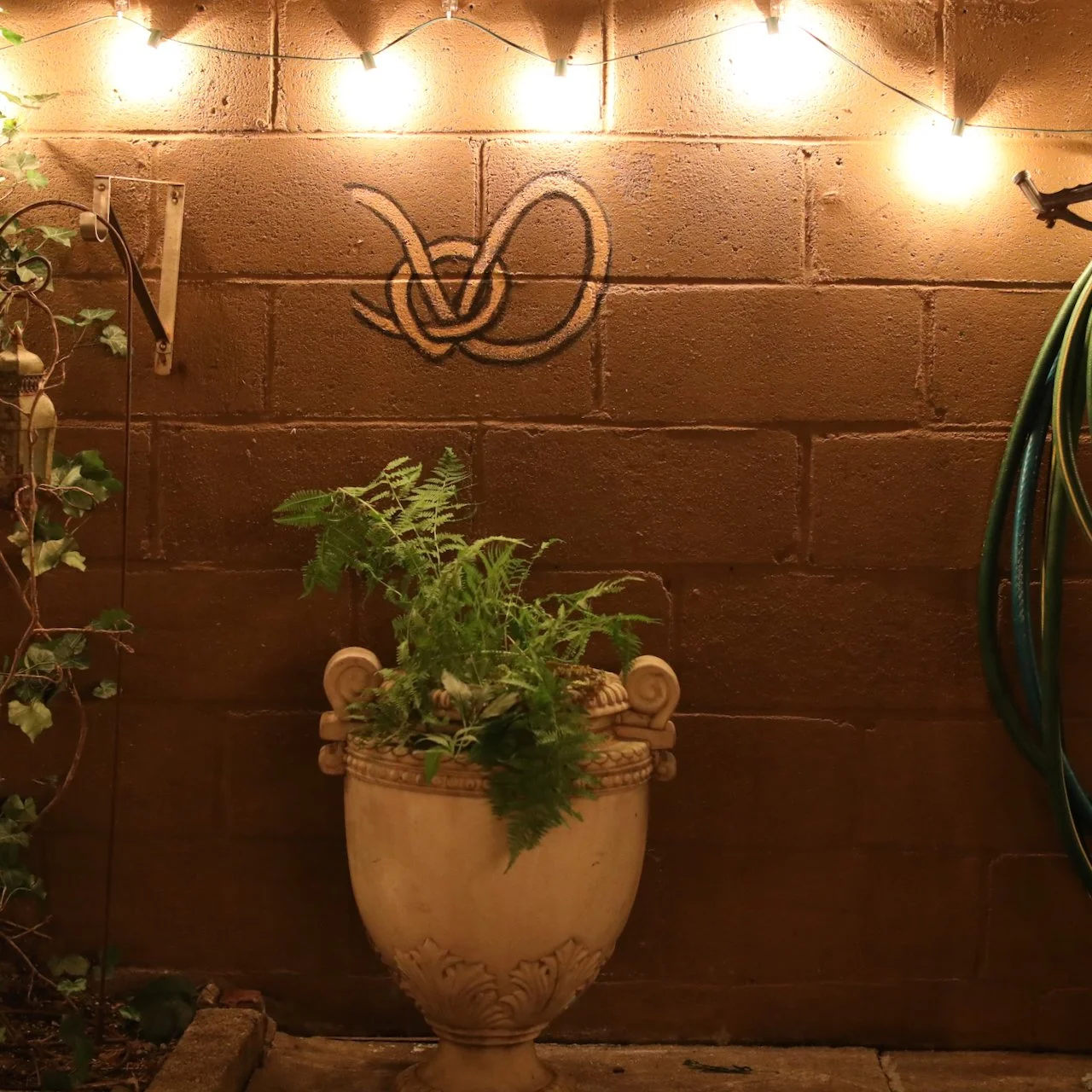
The Lariat Loop represents Resting and Resetting. File the completed record, return tools and materials to readiness, and resolve open problems with grace and careful listening. Step out of the Magic Circle and give the mind, body, collaborators, and work time apart.