Hootenanny
The video game Rock Band has been a cornerstone of my studio since I was in art school. I think we don’t play enough music together anymore, and too many people are afraid to sing in front of one another. Modern life has turned music into something professionalized and performative — something consumed passively through headphones instead of created collectively in living rooms and kitchens. What I love about Rock Band is that it dissolves that fear almost immediately. It gives people permission to be loud, sentimental, off-key, dramatic. The game acts as a social scaffold, empowering people to sound better than they think they do, until eventually they stop worrying about whether they are “good” and start experiencing the strange joy of participating in music together.
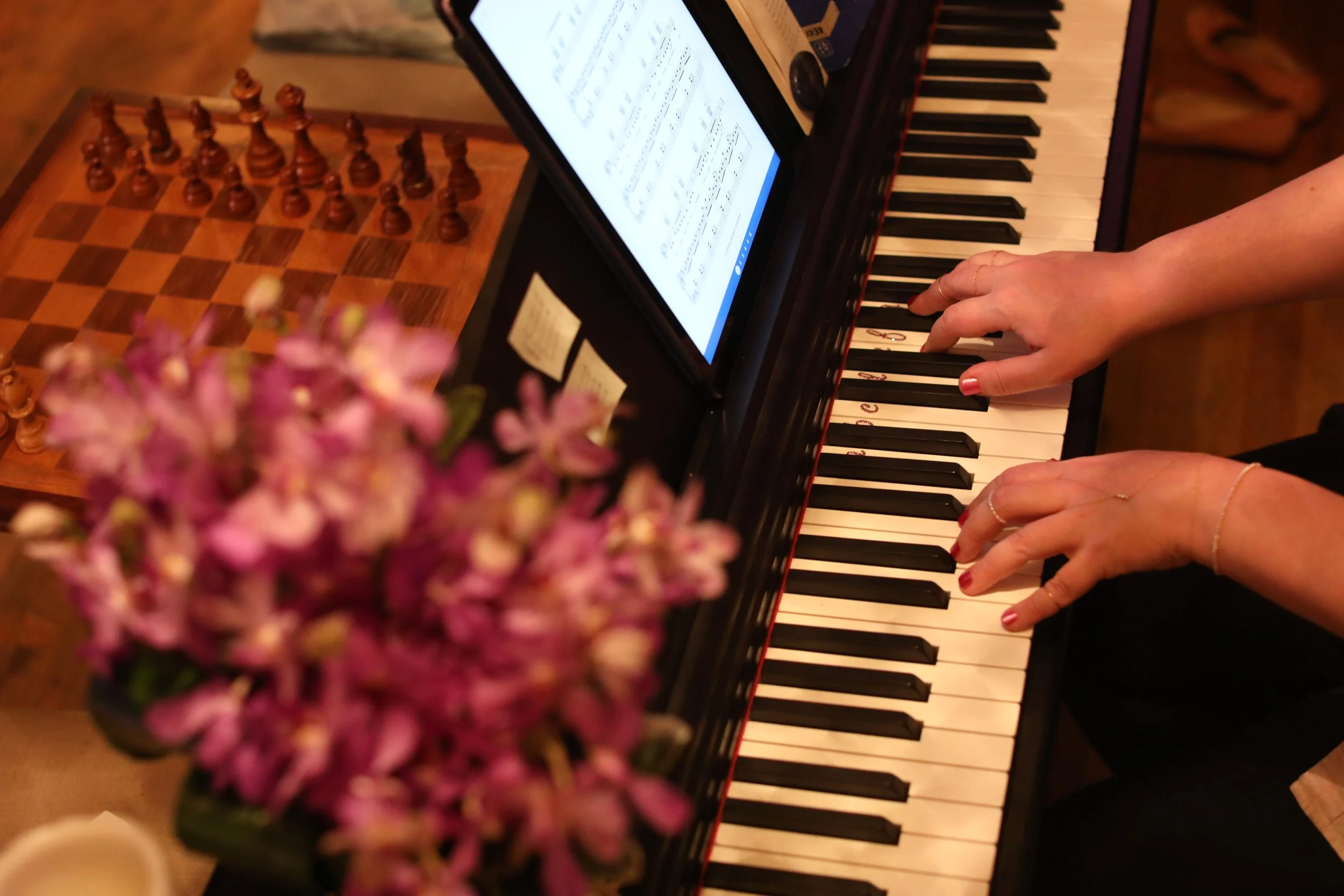
I spent much, if not most, of our lockdown year sitting at the piano. We had purchased a digital piano the year before for our Peridot Green events, but 2020 was the first time I had the stillness necessary to really learn how to play. I taught myself basic chords first — enough to accompany my own voice — and slowly discovered that singing while playing unlocked something different than either activity alone. There is a particular kind of vulnerability involved in trying to hold a melody while your hands search for the correct shapes beneath it. It is difficult to remain emotionally guarded while singing. Even badly-played songs become intimate very quickly.
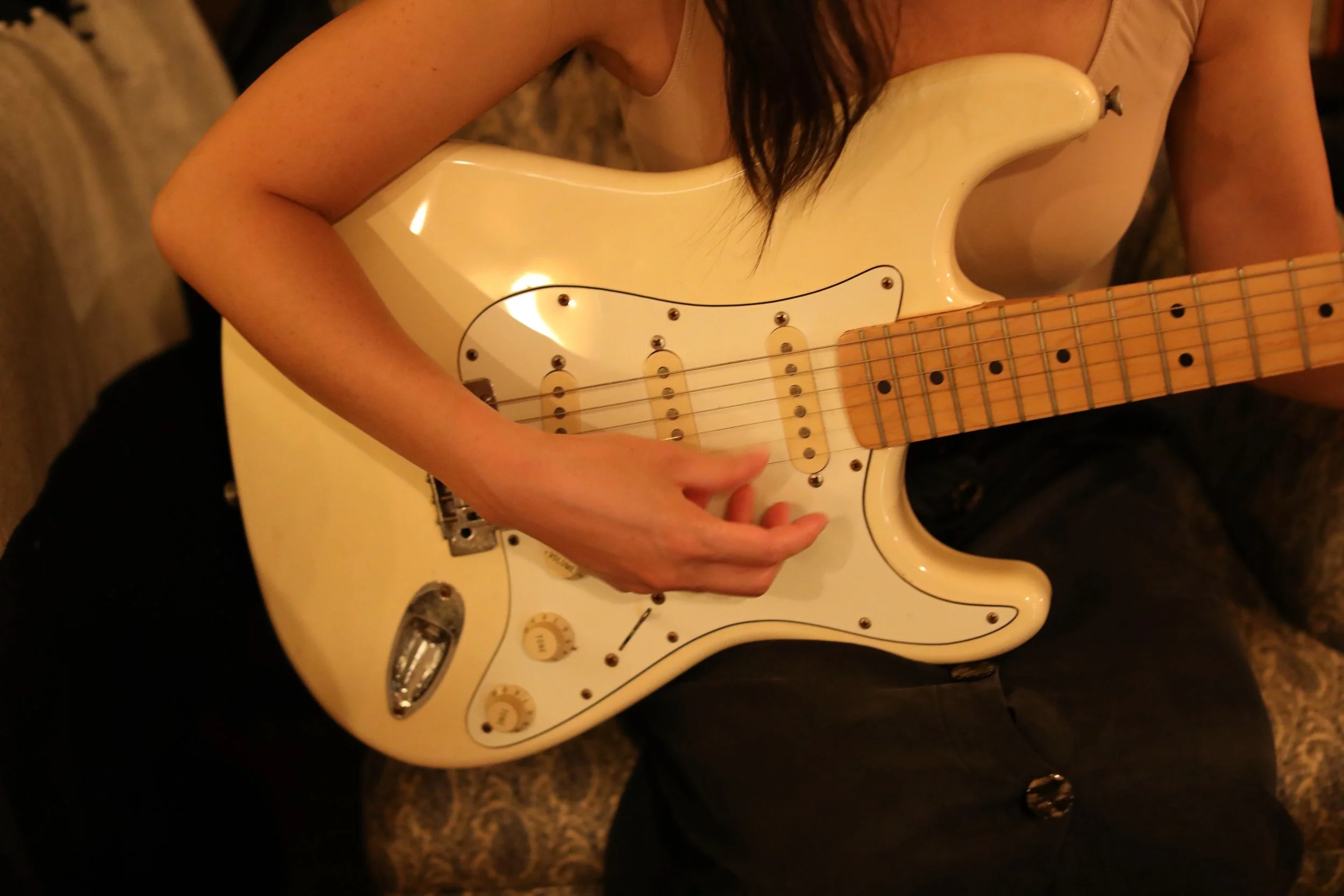
Since then, I have been inviting friends over to sing and play to great effect. What surprised me was how hungry people seemed for it. Guests who initially insisted they “couldn’t sing” eventually ended up shouting harmonies across the room at midnight. People who had not touched an instrument in years suddenly remembered songs from childhood. The gatherings became less like performances and more like temporary folk traditions — half jam session, half communal ritual. Somebody would start with a familiar progression and everyone else would slowly find their place inside it. The structure mattered less than the participation.
I have been thinking lately about the Appalachian hootenanny tradition — informal gatherings where neighbors assembled to play songs, exchange stories, dance, and keep one another company through long evenings. These were not concerts in the modern sense. There was no clean separation between performer and audience. Music functioned as infrastructure for community itself: a method of maintaining morale, preserving oral history, flirting, grieving, joking, and surviving isolation. Much of Appalachian music emerged from cultural overlap and improvisation — Scots-Irish ballads colliding with Black musical traditions, church hymns merging with work songs, instruments passed hand to hand across generations. The hootenanny was participatory technology long before we used language like that. Its purpose was not perfection, but belonging.
I sometimes think our contemporary loneliness stems partly from the disappearance of these informal creative spaces. We outsource music to streaming platforms the same way we outsource conversation to social media and meals to delivery apps. The result is technically efficient but emotionally thin. A room full of people singing together — even clumsily — produces a different kind of social fabric. You can feel the synchronization occurring in real time: breathing aligning, rhythms stabilizing, strangers becoming temporarily less strange. In that sense, our little piano nights and Rock Band sessions are not nostalgic reenactments so much as attempts to recover an older cultural instinct. The hootenanny persists because human beings still need excuses to gather around sound and remind one another they are alive.