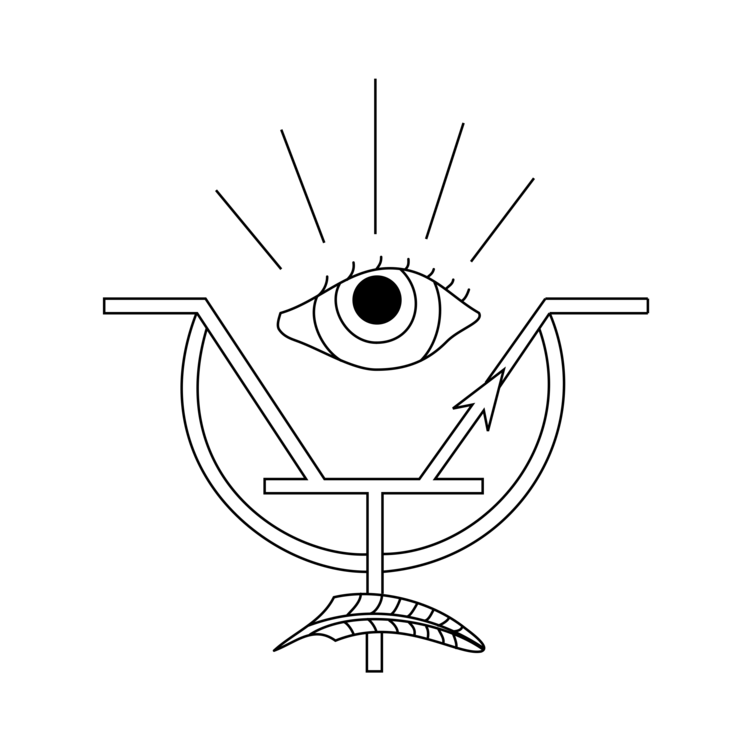
This month we’ve been thinking about the uncanny valley of language models: the strange sensation of reaching toward something that speaks like a mind and feeling something reach back. The uncanniness isn’t simply that the machine sometimes gets things wrong; it’s that it can get so much almost right—tone, context, memory, association—while remaining fundamentally unlike the human intelligence we instinctively imagine behind language. Like the distorted bodies, synthetic faces, and hand-to-mind imagery of 1990s alternative culture, the encounter feels simultaneously intimate and artificial. Perhaps the more interesting question isn’t whether a machine thinks like us, but what happens when two very different kinds of minds become capable of thinking together.
What's happening in each sector this month:
1AC. We consider the uncanny experience of revisiting our own archive: encountering past versions of ourselves, familiar people and projects made strange by the passage of time. How do we preserve the past without pretending it is still the present?
2RO. We explore the uncanny relationship between artists and their digital archives. An artwork's digital double can reproduce its appearance, dimensions, and history, but what remains of the original object that cannot be captured in data?
3EX. We consider the uncanny valley of language models, exploring the strange intimacy of machines that speak and respond like human minds, and what happens when two fundamentally different kinds of intelligence begin thinking together.
4PG. We revisit the uncanny territory between natural and artificial phenomena, considering how the Peridot Green salons transform familiar objects and environments into strange encounters with technology, memory, and perception.
5BC. We consider the uncanny experience of representing places through symbols: how a state bird, folk song, or landscape can evoke a powerful sense of belonging, even in places we have never visited. Where does the imagined geography end and the real place begin?